
How to Design a New Bathroom Properly
Sunday, July 5, 2026
By Holly Colson
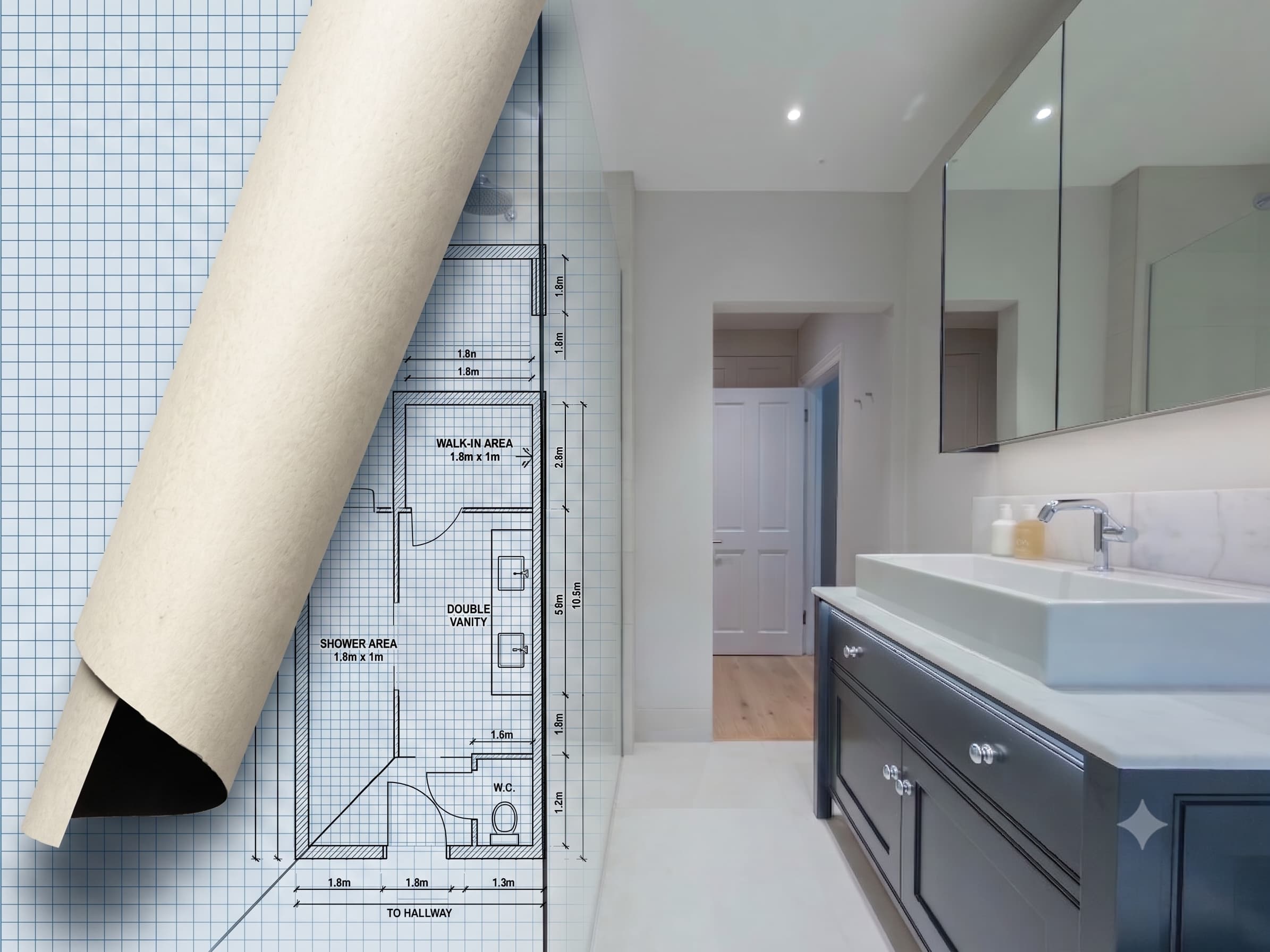
A beautiful bathroom rarely starts with tiles or brassware. It starts with the awkward questions homeowners often put off - who uses the room, what frustrates you now, and how should the space feel at 7am on a weekday as well as on a quiet Sunday evening. If you are wondering how to design a new bathroom, getting those early decisions right will shape everything that follows.
For some households, the priority is speed and simplicity before work and school. For others, it is a calmer, more luxurious room with generous storage, softer lighting and a bath worth lingering in. The best bathroom design balances both appearance and everyday use, which is why good planning matters far more than chasing whatever happens to be fashionable this year.
How to design a new bathroom from the layout up
The layout should always come first. Even the finest fittings will disappoint if the room feels cramped, cold or awkward to use. A well-designed bathroom makes movement easy, allows doors and drawers to open properly, and gives each area enough breathing space.
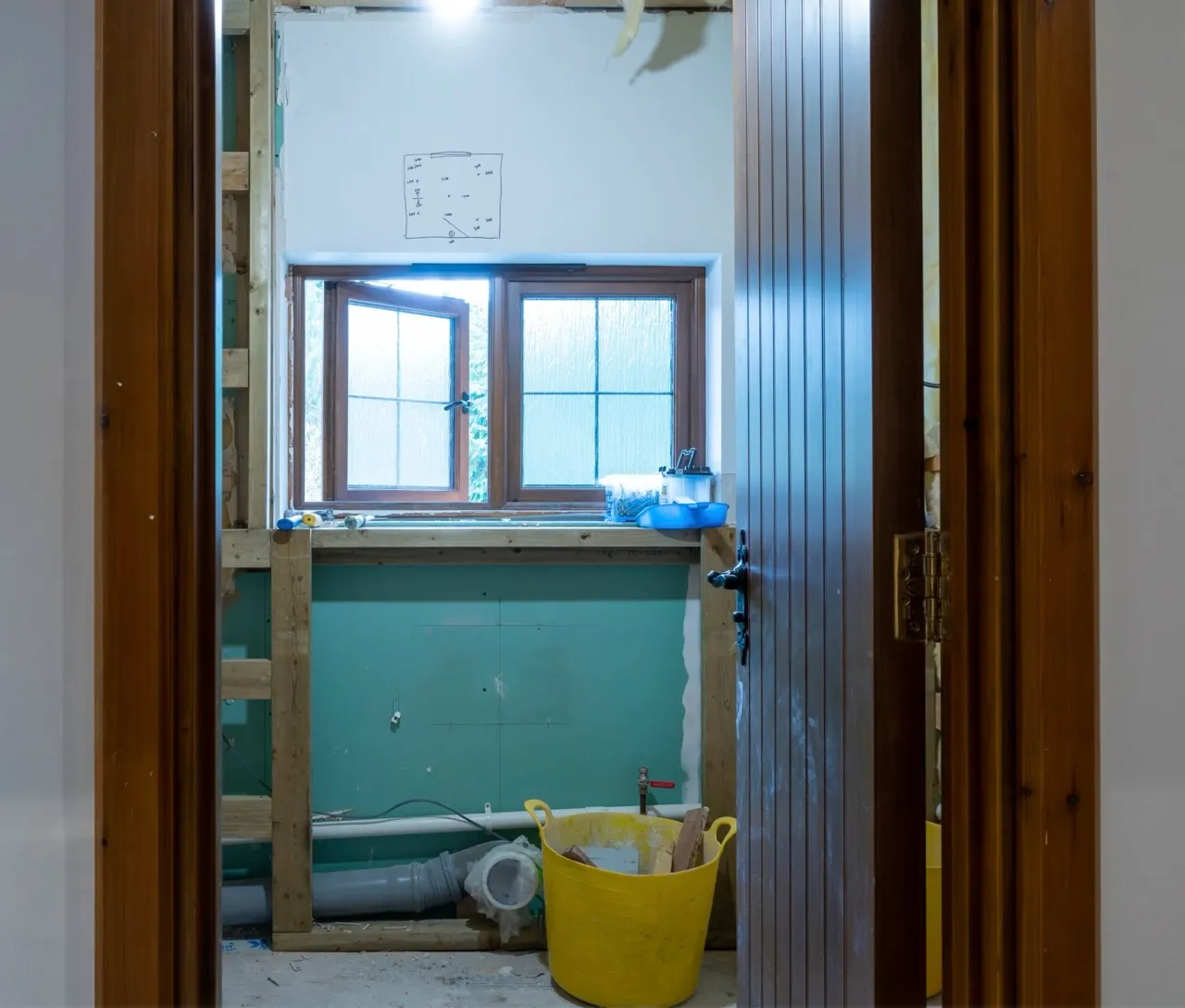
Begin by looking at the room as it stands. Consider where the existing soil pipe, windows, ceiling height and structural walls sit, because these can influence what is practical. Moving a WC across the room may be possible, but it can add cost and complexity. Equally, keeping everything in the same place is not always the best decision if the current arrangement wastes space.
This is where experience makes a difference. In a compact bathroom, swapping a standard bath for a walk-in shower can make the room feel far larger. In a family bathroom, however, removing the bath altogether may not suit young children or future resale expectations. There is rarely a single right answer - it depends on the property, the household and how long you intend to stay.
When planning the layout, think in zones. The vanity area needs good access to mirrors, lighting and storage. The bathing or showering area needs to feel comfortable rather than squeezed into a corner. The WC should sit naturally within the room, not dominate it as soon as you open the door. In larger homes, it is often worth giving an ensuite a slightly different character from the main bathroom, so each room feels tailored to its purpose.
Start with function, then build in style
One of the most common mistakes in bathroom design is choosing finishes before practical needs are resolved. A room can look stunning in a showroom image, but if there is nowhere to store toiletries, nowhere to hang towels and poor task lighting at the basin, the appeal wears thin very quickly.
A better approach is to decide what the room needs to do first. Do you need hidden storage for a cleaner look, or open shelving for easier access? Is a double basin genuinely useful, or would a more generous single vanity give you better worktop space? Would underfloor heating improve comfort, or is a heated towel rail and well-sized radiator enough?
Once the practical framework is in place, style choices become easier and more coherent. Rather than selecting isolated products, you can build a room with a clear direction. That might mean warm neutral tones and natural textures for a timeless look, or darker joinery and statement brassware for something more dramatic. In period homes, especially listed properties, the bathroom often benefits from details that sit comfortably with the age of the house rather than competing with it.
Storage is what makes a bathroom feel calm
The bathrooms that look effortlessly refined are usually the ones where clutter has been designed out from the beginning. Storage should never be an afterthought.
Vanity units are often the hardest-working element in the room because they combine basin space with concealed storage below. Bespoke or handmade furniture can be especially valuable in properties where standard sizes do not make the best use of the space. Recessed mirror cabinets are another sensible option, particularly in smaller bathrooms where every inch matters.
Think beyond daily essentials as well. Towels, spare loo rolls, children's bath toys, cleaning products and spare toiletries all need a home. If the room itself cannot accommodate everything, the design should at least allow the main visible items to stay neat and easy to reach. That is what gives a bathroom its sense of order.
Lighting changes everything
Bathroom lighting is often treated too simply, yet it has a huge effect on comfort and atmosphere. A single ceiling fitting may provide general illumination, but it rarely does the whole job well.
In most bathrooms, layered lighting works best. Practical lighting around the mirror helps with shaving, skincare and getting ready. Softer ambient lighting creates a more relaxed mood in the evening. In larger or more luxurious schemes, low-level lighting can add depth without making the room feel overdesigned.
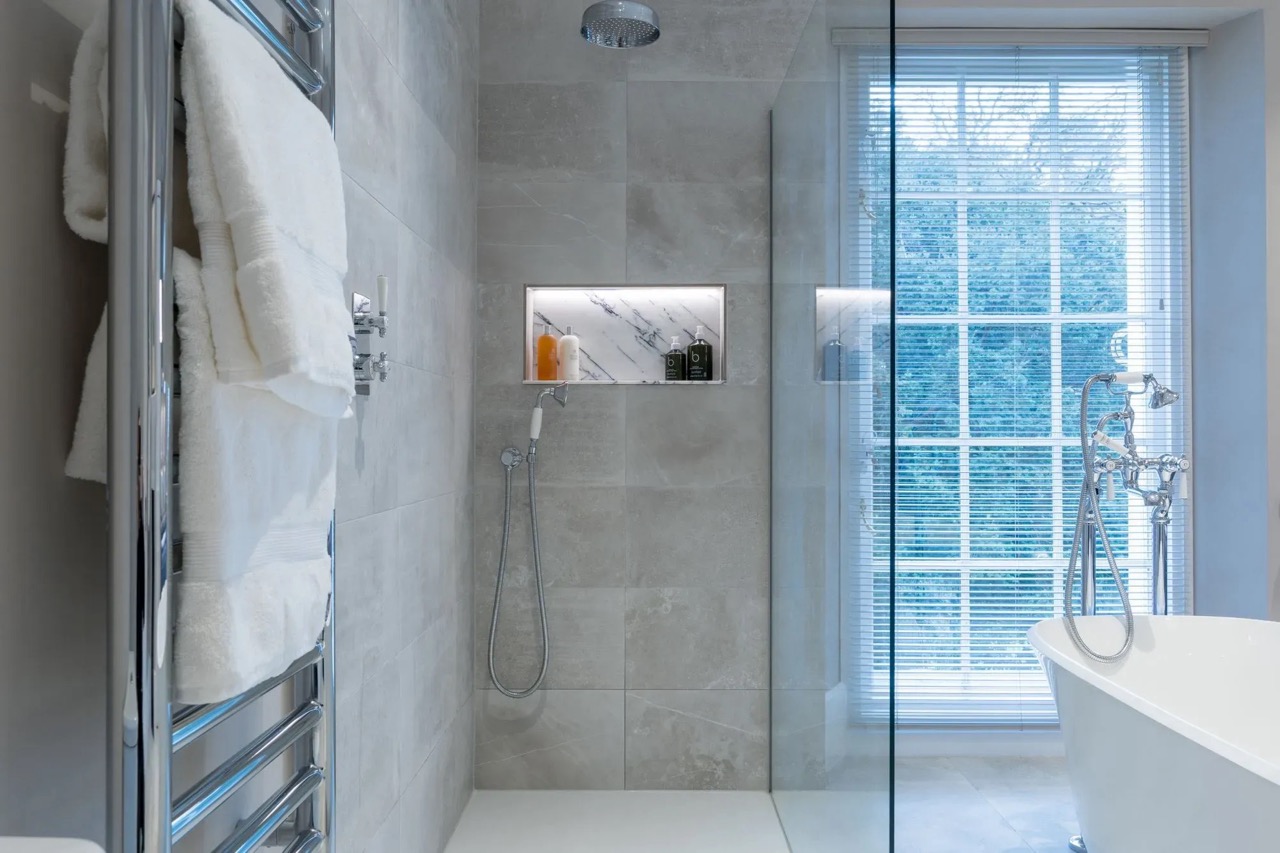
Natural light matters too. If you are fortunate enough to have a good window, make the most of it while preserving privacy. If natural light is limited, surface choices become more important. Pale tiles, reflective finishes and well-placed mirrors can help the room feel brighter, though too much gloss can feel cold. The right balance is usually more subtle.
Choose materials that will still look good in years to come
If you are investing in a new bathroom, longevity should be part of the design brief. That means selecting materials and finishes with both durability and timelessness in mind.
Porcelain remains a popular choice for floors and walls because it is hard-wearing, practical and available in a wide range of looks. Natural stone can be beautiful, but it needs more care and is not right for every household. Timber-effect finishes can add warmth where an all-tile scheme might feel stark. Matt surfaces often create a softer, more contemporary look, while polished finishes bring light and a more classic feel.
Brassware deserves careful thought because it is touched every day and strongly influences the room's overall character. Chrome is reliable and versatile. Brushed brass and gunmetal can look striking, but they should be used with confidence rather than added as an afterthought. The key is consistency. A bathroom tends to feel more refined when the finishes have been properly considered together.
Heating and ventilation are part of good design
A bathroom should feel comfortable in every season, not just visually appealing on the day it is finished. Heating and ventilation have a direct impact on that experience.
Underfloor heating is often a popular choice in premium bathroom projects because it gives gentle, even warmth and frees wall space for cleaner design. That said, it may not always be the only answer. Some rooms still benefit from additional heated towel rails or radiators, particularly in larger spaces or older properties.
Ventilation is just as important. Without it, even the most beautifully finished bathroom can quickly suffer from condensation, mould and damage to paintwork or joinery. The right extractor fan should be chosen for the size and use of the room, and fitted with the same care as any visible feature. It is not glamorous, but it protects the investment.
How to design a new bathroom for your type of home
Every property places slightly different demands on bathroom design. A modern family house may allow more freedom with layout and cleaner-lined fittings. A period property may need greater sensitivity, especially where floors are uneven, walls are irregular or original features deserve to be respected.
If you are designing a guest bathroom or cloakroom, efficiency matters most. These rooms can carry more personality because they are used differently and for shorter periods. An ensuite often benefits from a slightly more luxurious, private feel. A main family bathroom, by contrast, has to work harder. It needs durability, storage and enough flexibility to suit changing routines over time.
For homeowners across Surrey and the surrounding counties, one of the wisest decisions is to design for the house you have, not an imagined version of someone else's home. Inspiration is useful, but the best results come from a scheme tailored to your architecture, your habits and your expectations.
Work with a clear budget, but do not design only to price
Budget matters, of course, but it should guide decisions rather than reduce the whole project to a spreadsheet. There is a difference between spending well and simply spending more.
In most bathroom projects, layout changes, waterproofing, tiling, furniture and installation quality have a bigger impact on the final result than one showpiece item. If the budget needs to stretch somewhere, it is often wiser to protect workmanship and core materials first. Decorative choices can sometimes be adjusted more easily than the practical foundations of the room.
This is where a trusted family business with proper design and installation experience can add real value. The aim is not simply to supply products, but to shape a room that feels right, functions well and stands the test of time.
A new bathroom should make daily life easier and your home feel better cared for. When the design is thoughtful from the outset, the finished space does more than look impressive - it becomes one of the most satisfying rooms in the house.

.webp)