
What Makes the Most Luxurious Bathrooms?
Thursday, July 9, 2026
By Holly Colson
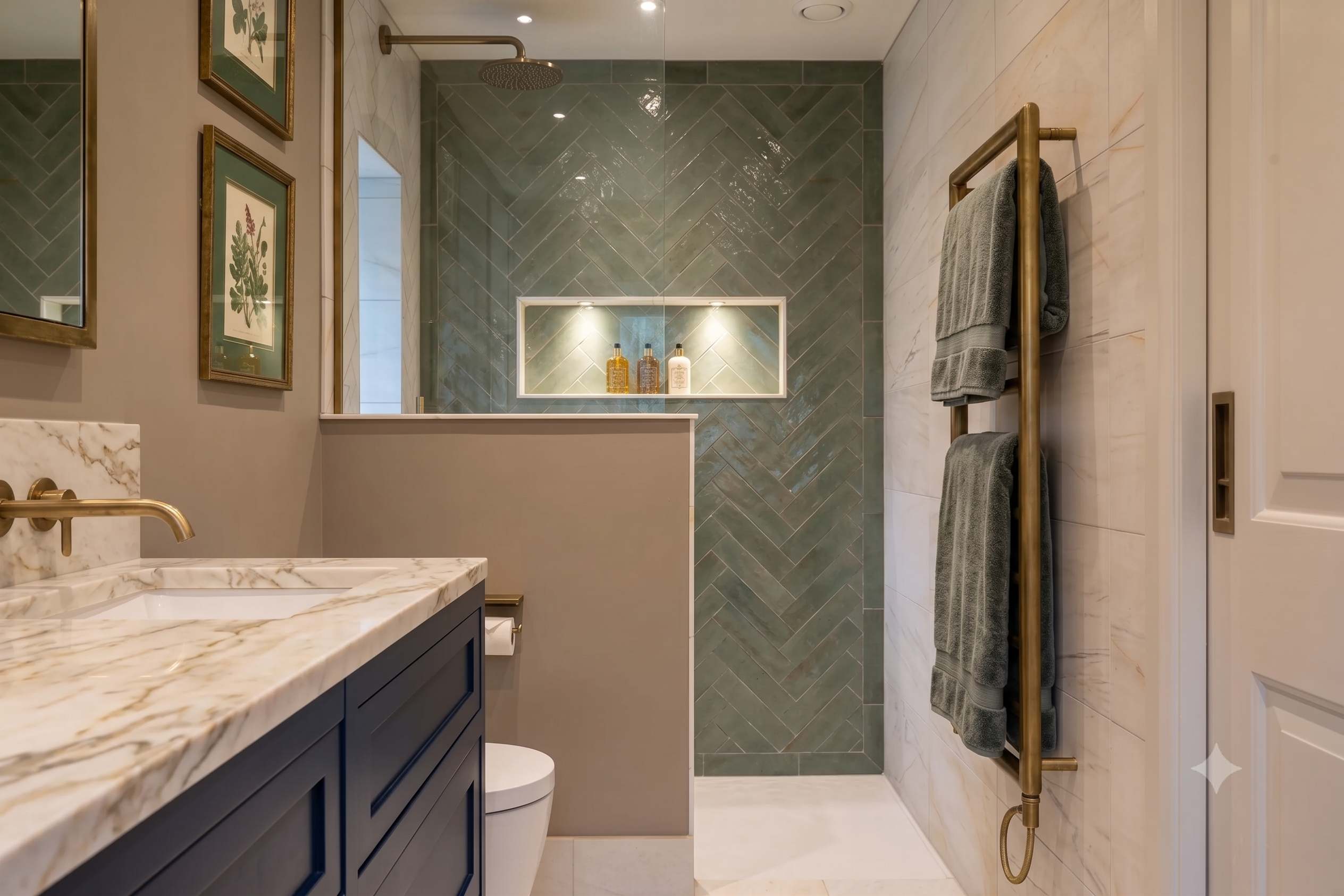
A truly exceptional bathroom is rarely about one expensive item. The most luxurious bathrooms feel calm, effortless and beautifully resolved from the moment you step inside. The layout works without compromise, the lighting flatters rather than glares, and every surface, fitting and detail has been chosen with purpose.
That is often the difference between a bathroom that looks high-end in a photograph and one that feels luxurious every day. Real luxury is not excess for its own sake. It is comfort, craftsmanship and a design that suits the home as well as the people using it.
What the most luxurious bathrooms get right
The finest bathrooms tend to share one quality above all else - they feel considered. There is a clear sense that the room has been designed as a complete space rather than assembled from individual products. Proportions are balanced, storage has been planned in, and practical decisions support the visual finish rather than competing with it.
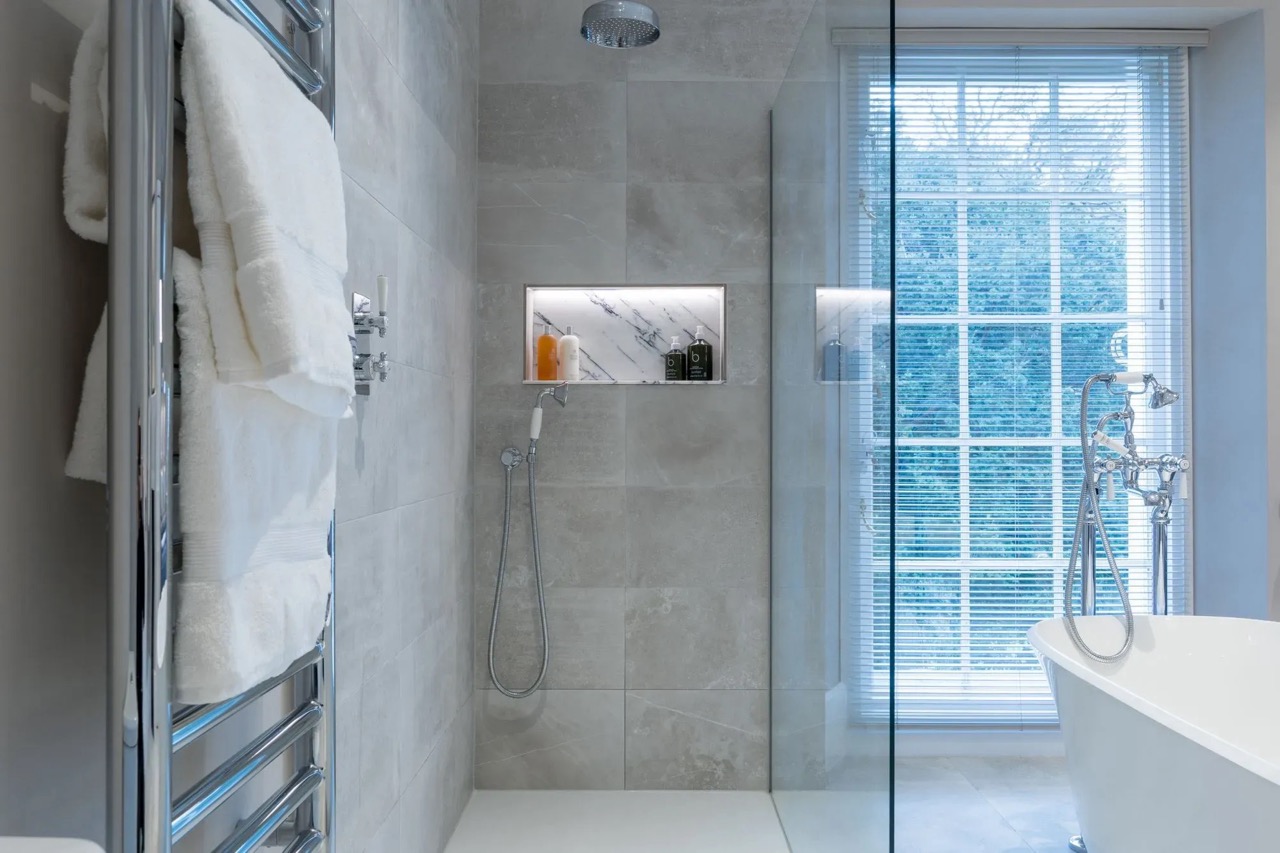
In many homes, the route to a more luxurious bathroom starts with the basics. A generous walk-in shower may add more day-to-day comfort than an oversized freestanding bath that leaves little room to move. In another property, especially a period home, a beautifully positioned bath can become the focal point that gives the room its character. Luxury is always shaped by the room, the building and the way the household lives.
This is why the design stage matters so much. Premium bathrooms are not created by choosing the most expensive brassware or the largest tiles. They come from resolving layout, flow, warmth, lighting and storage in a way that feels natural.
Layout is where luxury begins
Space is a luxury, but intelligent planning matters just as much. Even a modestly sized bathroom can feel significantly more refined when the layout is well judged. Sightlines play a part here. If the first thing you notice on entering the room is a beautifully lit vanity or a statement bath, the whole space feels more composed.
Good layout also protects comfort. There should be enough circulation space around key elements, the shower should not feel squeezed into a corner, and storage should be accessible without making the room feel heavy. In larger bathrooms, zoning can make a substantial difference, with the bathing area, showering area and vanity each given room to breathe.
For homeowners renovating an ensuite or family bathroom, this often means making careful choices. A double vanity can feel wonderfully indulgent, but only if it does not compromise movement. A wet room finish can look beautifully pared back, but it needs proper planning and installation to work well for the long term. In luxurious bathrooms, elegance and practicality are never at odds.
The role of proportion
Proportion is one of the least obvious but most influential parts of high-end bathroom design. Large-format tiles can create an impressive sense of scale, but in a smaller room they need to be balanced with the right grout lines, furniture sizes and wall space. Equally, a freestanding bath needs enough surrounding space to feel intentional. If it is pushed too tightly against walls or other fittings, the effect is lost.
Materials make the room feel expensive
If there is one area where luxury is immediately felt, it is material quality. Natural stone, porcelain with depth and texture, real wood finishes, handcrafted furniture and properly specified brassware all bring a different level of presence to a bathroom. They do not just photograph well - they wear differently, feel better to use and tend to age more gracefully.
That said, the most costly material is not always the right one. Natural marble has a beauty that is difficult to replicate, but it also requires care and may not suit every household. High-quality porcelain can provide a more practical alternative while still delivering a sophisticated look. The best result often comes from understanding where to invest and where a durable, lower-maintenance option is the wiser choice.
This is particularly relevant in busy family homes or secondary bathrooms. Luxury should support the way a home is used, not create unnecessary worry. A refined scheme built around practical surfaces can still feel every bit as polished.
Why bespoke details matter
Bespoke elements are often what separate a premium bathroom from a standard showroom look. A handmade vanity designed to fit an awkward alcove, mirrored cabinetry sized precisely to the wall, or carefully integrated storage can make the room feel tailored in a way off-the-shelf solutions rarely do.
These details are especially valuable in older properties, where walls may be uneven, chimney breasts create constraints, or original architectural features need to be respected. In these settings, bespoke design is not simply a luxury extra. It is often the key to achieving both beauty and function.
Lighting changes everything
Many bathrooms are let down by lighting that is too harsh, too flat or too limited. In the most luxurious bathrooms, lighting is layered. There is practical illumination where it is needed, softer ambient light for atmosphere, and often feature lighting that gives depth to the room.
A well-lit vanity area is essential, particularly for grooming and make-up, but overhead lighting alone is rarely enough. Wall lights, backlit mirrors and discreet LED details can all make the space feel calmer and more flattering. When the room has different lighting moods, it becomes far more enjoyable to use from early morning through to late evening.
Natural light matters as well. Where possible, privacy solutions should allow daylight to be maximised rather than blocked. In some homes, that may mean rethinking window treatments or choosing materials and colours that bounce light gently around the room.
Comfort is a defining feature of luxury
The most luxurious bathrooms are designed for how they feel, not just how they look. Underfloor heating is a good example. It may not be the first thing a visitor notices, yet it transforms the experience of the room, particularly in colder months. The same can be said for heated towel rails in the right position, effective ventilation, and showers that deliver consistent pressure and temperature.
Acoustics, softness and warmth all play their part. A bathroom with hard surfaces throughout can feel visually striking but slightly cold. Introducing timber finishes, textured materials or softer tonal contrasts can bring a more welcoming quality. Luxury has a sensory side, and the best bathrooms consider all of it.
This is where many homeowners benefit from expert guidance. It is easy to focus on statement items and overlook the less visible choices that influence comfort every day. Yet these quieter details are often what make a bathroom feel genuinely high-end.
Style should feel timeless, not trend-led
There is nothing wrong with taking inspiration from current bathroom trends, but the most enduring luxury usually comes from restraint. A bathroom renovation is a significant investment, and it should still feel right years from now. That does not mean the room must be plain or overly safe. It means choosing a style with enough depth and longevity to outlast short-lived fashions.
Often, the strongest schemes combine classic structure with contemporary detailing. That might mean traditionally inspired brassware paired with clean-lined furniture, or a modern walk-in shower set within a room that still respects the character of a period property. For homes in places such as Guildford or the Surrey Hills, where architecture can vary widely from listed buildings to more modern houses, this balance is particularly important.
Colour also deserves careful thought. Richer tones can create a beautifully cocooning feel, especially in larger bathrooms or ensuites, while lighter palettes often suit compact rooms where brightness is a priority. Neither approach is inherently more luxurious. The success lies in how well the palette suits the space and the materials around it.
The hidden side of a luxury bathroom
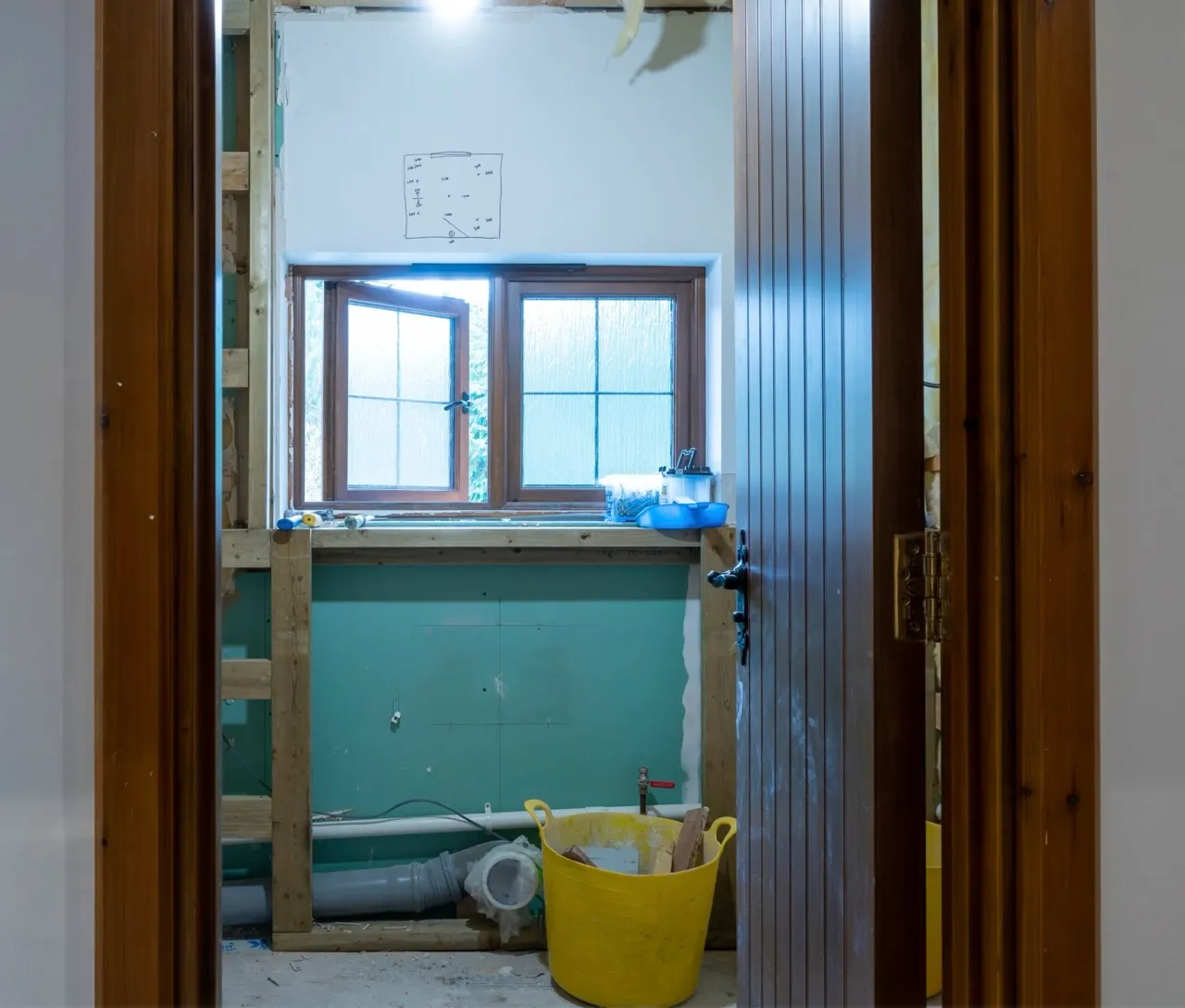
Some of the most important elements are the ones you never see once the project is complete. Preparation, waterproofing, plumbing, substrate work, ventilation and installation quality all have a direct bearing on the finished result. Even the finest products will disappoint if they are poorly fitted or specified without enough thought.
This is why a luxury bathroom should always be approached as a complete project rather than a collection of purchases. Design, product selection and installation need to work together. When they do, the room not only looks polished on completion but continues to perform well over time.
For homeowners investing in a premium bathroom, this joined-up approach often brings peace of mind as much as visual appeal. Knowing that every stage has been carefully managed removes much of the uncertainty that can come with renovation work.
Why the most luxurious bathrooms feel personal
Ultimately, the most impressive bathrooms are not the ones with the longest list of expensive features. They are the ones that feel entirely right for the home and the people living in it. For one household, that may mean a spa-like master ensuite with natural stone, a sculptural bath and hotel-style lighting. For another, it could mean a family bathroom with impeccable storage, durable finishes and a shower that makes busy mornings easier.
Luxury is personal because daily routines are personal. The best bathroom design takes those routines seriously and shapes the room around them. When that happens, the space feels generous, calm and lasting in a way that no trend can replicate.
If you are planning a new bathroom, it is worth looking beyond standout pieces and asking how the room should actually feel to use. That is usually where the best decisions begin, and where real luxury becomes something you can enjoy every single day.

.webp)