
Best Bathroom Design and Fitting Tips
Saturday, July 4, 2026
By Holly Colson
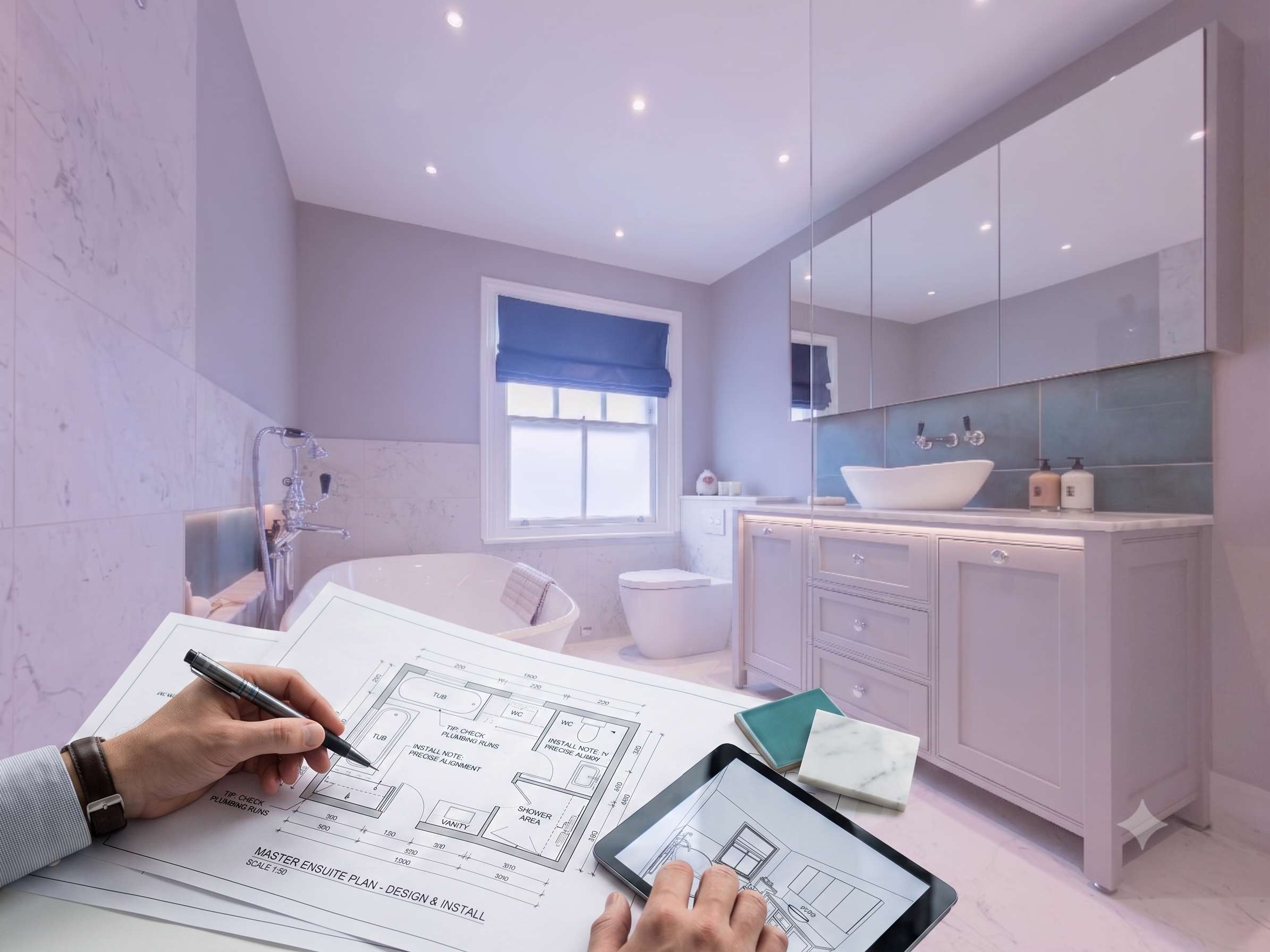
The difference between an average bathroom and one that feels quietly exceptional usually comes down to decisions most people never see at first glance. The best bathroom design and fitting is not just about choosing attractive tiles or a statement bath. It is about getting the layout right, balancing practicality with style, and making sure every finish is installed with care so the room works beautifully for years.
For homeowners investing in a full renovation, that distinction matters. A premium bathroom should look considered, feel comfortable to use every day, and suit the character of the property. Whether you are updating a family bathroom, creating a more refined ensuite, or planning a specialist space such as a [wet room](https://www.jeremycolson.co.uk/bathrooms/contemporary-porcelain-wet-room), good results come from thoughtful design paired with trusted installation.
What best bathroom design and fitting really means
A well-designed bathroom begins with how the room needs to function. That sounds obvious, yet it is often where projects go wrong. A layout may look appealing on paper but feel awkward once in use. Storage can be overlooked, lighting can be too harsh, and fittings can end up competing for space rather than working together.
The best bathroom design and fitting brings every element into one joined-up plan. The practical side includes plumbing routes, ventilation, water pressure, heating, lighting placement and ease of movement. The design side covers proportion, materials, colour, furniture, brassware and how the room sits with the wider home. One should not be separated from the other.
This is especially true in period homes and higher-value properties, where bathrooms need to feel in keeping rather than added as an afterthought. In a listed property, for example, the right design may involve careful spatial planning and sympathetic finishes. In a modern extension, the priority may be clean lines, concealed storage and a more architectural look. There is no single formula. It depends on the property, the household and how the room will be used.
Start with layout, not products
Many homeowners begin by choosing a bath, tiles or a brass finish. In reality, layout should come first. If the room flows well, most other decisions become easier.
A good layout considers where you naturally enter the room, what you see first, and how comfortably two people can use the space if needed. In a family bathroom, that may mean keeping enough floor area clear and making sure storage is easy to reach. In an ensuite, it may mean prioritising a generous shower and a vanity that offers useful surface space without making the room feel crowded.
It is also worth thinking about what should be hidden and what can be celebrated. A WC is rarely the feature you want in direct view from the doorway. A beautifully designed vanity wall, a freestanding bath or a well-framed shower area usually deserves that attention instead.
When clients ask what makes a bathroom feel more expensive, the answer is often restraint. Better proportions, cleaner sightlines and fewer compromises tend to create a stronger result than simply adding more products.
Choosing materials that look good and last
Bathrooms work hard. Heat, moisture and daily use quickly expose poor choices, so material selection matters just as much as appearance.
[Porcelain remains](https://www.jeremycolson.co.uk/bathrooms/porcelain-family-bathroom) a popular option for good reason. It is durable, low maintenance and available in finishes that suit both classic and contemporary schemes. Natural stone can be beautiful, but it asks more of the homeowner in terms of care and sealing. Neither is automatically better. It depends on the look you want and how much upkeep you are comfortable with.
Furniture deserves the same level of scrutiny. Bespoke or handmade pieces can transform a bathroom, particularly where standard sizes leave awkward gaps or fail to make the most of the room. They also help create a more tailored feel, which is often what lifts a premium bathroom above a showroom copy.
Brassware is another area where quality shows. Taps and shower fittings should feel substantial, perform reliably and sit comfortably with the overall scheme. A fashionable finish can be appealing, but it needs to have staying power. Matt black, brushed brass and polished chrome all have their place, though some suit period homes better than others. Timelessness should always be part of the discussion.
Best bathroom design and fitting for everyday comfort
A refined bathroom should not just photograph well. It should make mornings easier and evenings more relaxing.
Storage plays a large part in that. Too little, and even a beautifully finished bathroom soon feels untidy. Too much visible cabinetry, and the room can lose its sense of calm. The most successful schemes build storage into the design from the start, using vanity units, mirrored cabinets, recessed niches and fitted furniture in a way that feels intentional.
Heating is another detail that changes how a bathroom feels. Underfloor heating is increasingly popular because it frees up wall space and provides a gentler, more even warmth. That said, it may not be the only answer. In some projects, especially renovations involving older properties, a combination of underfloor heating and a well-chosen towel radiator offers more flexibility.
Lighting is often underestimated. A single ceiling fitting rarely does enough. Bathrooms need layered lighting - practical illumination around the mirror, softer ambient light for the rest of the room, and in some cases accent lighting to highlight shelving or architectural details. The right balance makes the room more flattering, more functional and more inviting.
Why installation quality matters as much as design
Even the finest bathroom products can disappoint if they are fitted poorly. Uneven tiling, careless silicone lines, weak detailing around niches, and badly planned plumbing all affect the final impression. More importantly, they can lead to problems later.
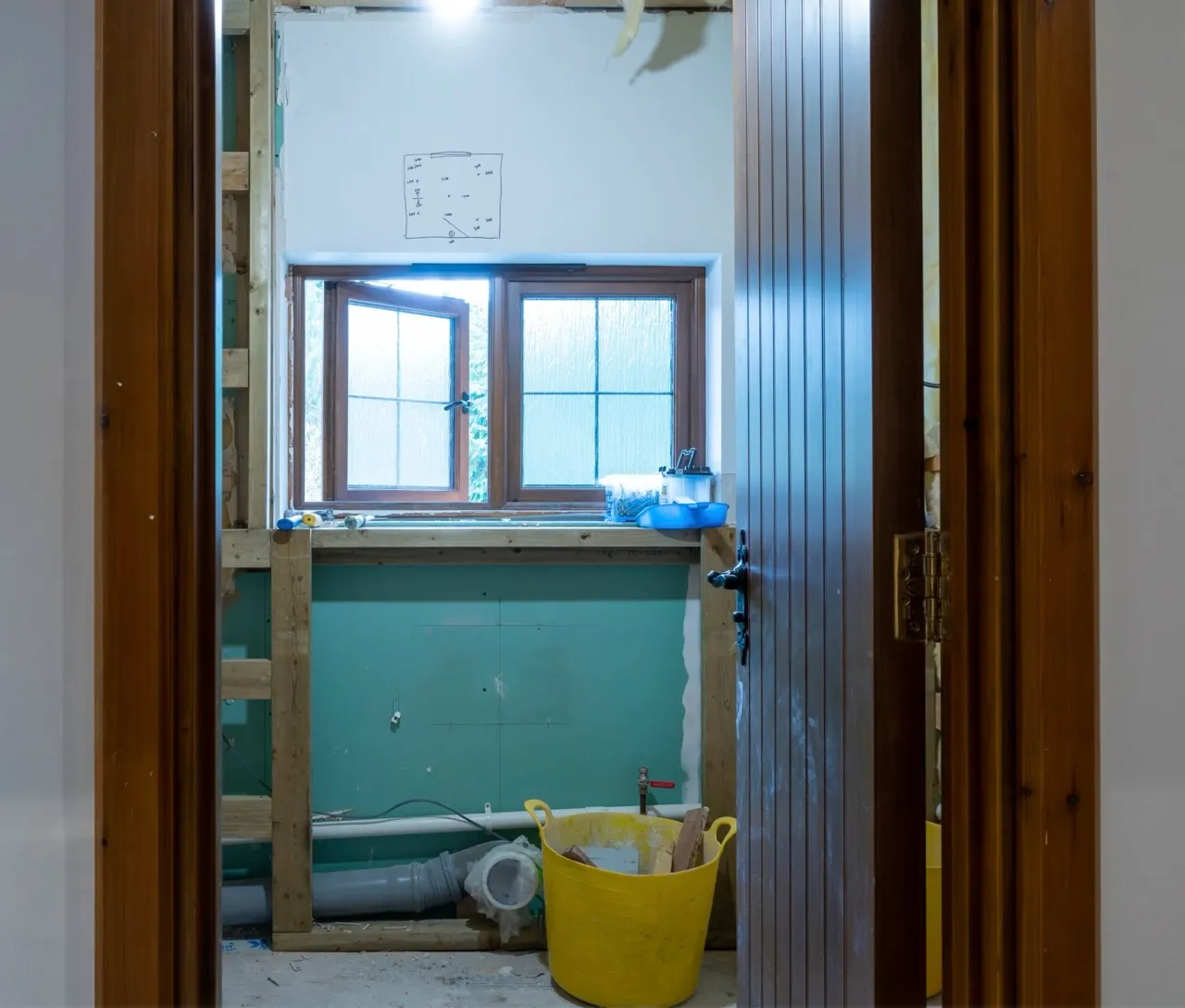
Good installation is about precision, but also about planning. Walls and floors may need preparation before tiling begins. Pipework needs to be positioned correctly for the chosen products. Waterproofing in shower areas and wet rooms must be done properly, not rushed. These are not glamorous parts of the project, yet they are often what determine whether the room still looks and performs well five or ten years from now.
This is one reason an end-to-end approach appeals to many homeowners. When design, product selection and fitting are considered together, there is less room for mismatch between the vision and the delivery. It also tends to make the process less stressful, which is no small thing in a home renovation.
Tailoring the bathroom to the property
The best result is rarely the most fashionable one. It is the one that suits the house and the people living in it.
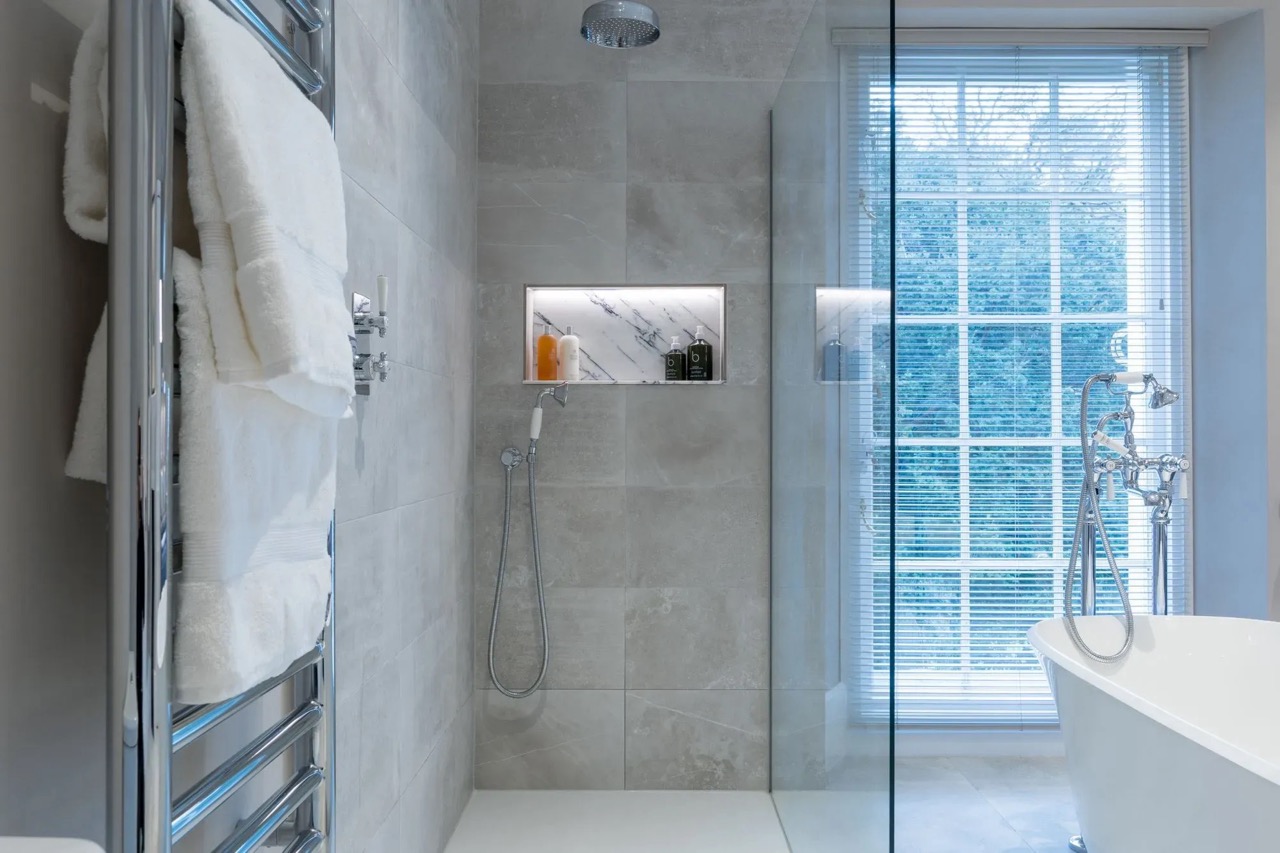
A family bathroom may need durable surfaces, a practical bath-shower combination and enough storage to keep everyday clutter under control. A principal ensuite may benefit more from a walk-in shower, elegant vanity furniture and a calmer palette. A guest bathroom can be smaller in scale but still feel generous with the right tile choices, lighting and wall-hung fittings.
In older homes, proportion and detailing are especially important. Modern comforts can still sit beautifully within a traditional setting, but they need careful handling. Classic brassware, panelled furniture, softer colours and considered tile formats often work better than ultra-minimal choices that jar with the architecture.
For compact spaces, the answer is not always to make everything smaller. Sometimes one properly scaled feature, paired with simpler finishes and good lighting, makes the room feel more generous than several undersized elements competing for attention.
Making better decisions before work begins
Most bathroom regrets can be traced back to decisions made too quickly. A rushed choice on layout, a finish selected without seeing it in the room, or a budget focused on visible items rather than the fitting behind them can all affect the outcome.
It helps to think beyond the first impression. Ask how the room will feel on a winter morning, how easy it will be to clean, whether there is enough storage for daily routines, and whether the design will still feel right in a few years. Premium bathrooms are not built on impulse. They are shaped by considered choices.
For homeowners across [Surrey and the surrounding areas](https://www.jeremycolson.co.uk/service-towns/woking-bathroom-design-installation), working with a specialist such as Jeremy Colson Bathrooms can make that process far more assured. Experience matters when balancing design ambition with practical delivery, particularly in homes where expectations are high and every detail counts.
The most successful bathrooms tend to share one quality: they feel easy. Easy to use, easy to live with, and easy on the eye. That usually comes from taking design and fitting seriously from the outset, so the finished room does not just look right on day one - it continues to feel right every day after.

.webp)