
Premium Bathrooms: What Makes One Worth It?
Thursday, July 30, 2026
By Holly Colson
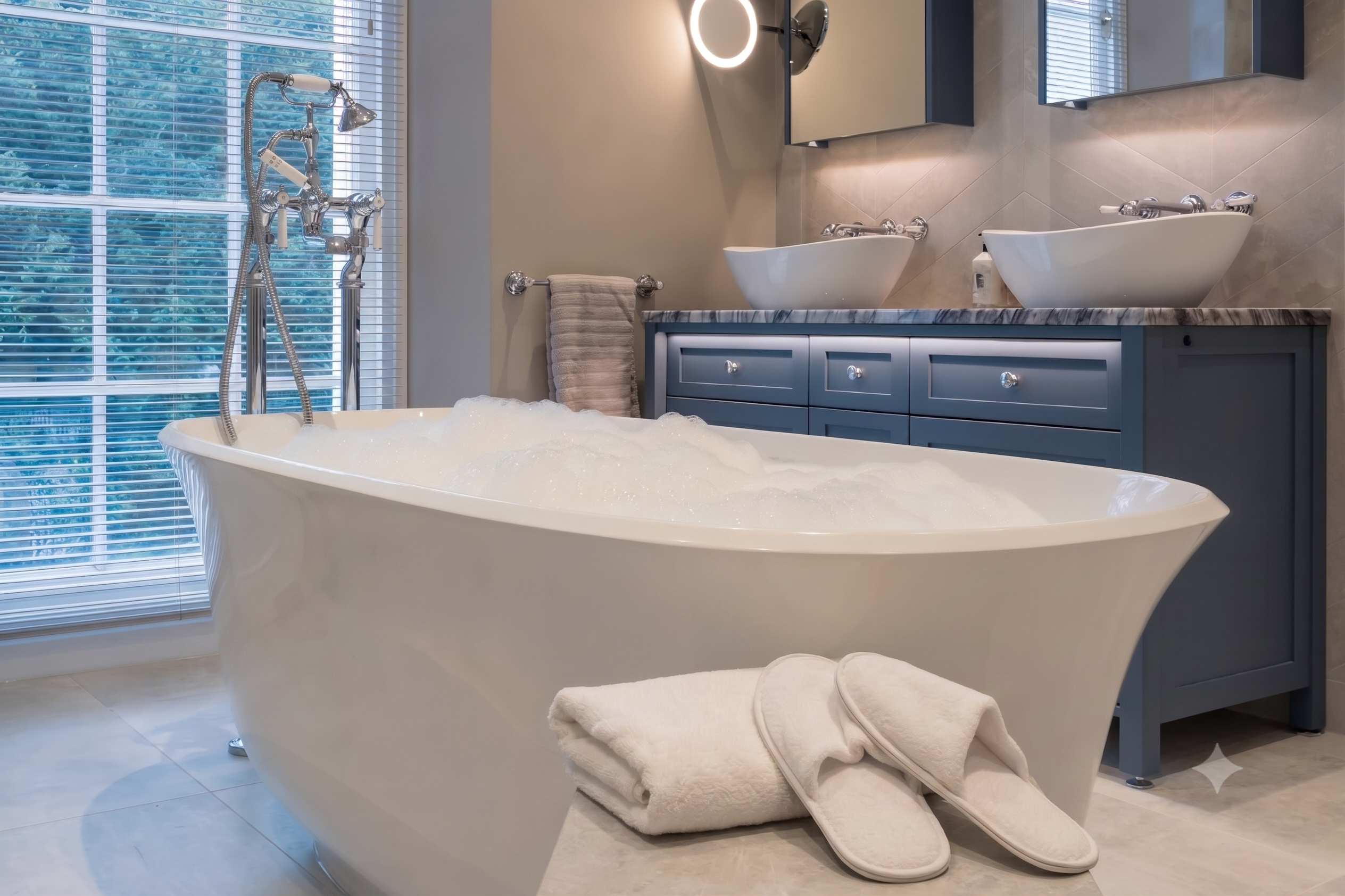
A bathroom can look impressive on the day it is finished and still disappoint within a few years. Grout may discolour, storage may prove awkward, a beautiful basin may leave no useful worktop space, or a shower may struggle to hold its temperature. Premium bathrooms are defined by far more than the name on a tap or the cost of a tile. They are carefully planned rooms, made with durable materials and installed with the precision needed for daily use.
For homeowners investing in a significant renovation, the real value lies in getting the decisions right before work begins. A well-designed bathroom should feel calm and considered, while quietly dealing with the practical realities of family life, busy mornings, moisture, cleaning and changing needs over time.
What distinguishes premium bathrooms?
A premium bathroom is not necessarily the largest room, nor does it have to follow one particular style. It is a bathroom where layout, products, lighting, finishes and installation have been considered as one whole. Each element has a purpose, and the finished space works as well as it looks.
The difference is often most apparent in the details. Wall-hung furniture is positioned at the right height and sized for what needs to be stored. A shower screen is carefully measured to suit the room rather than treated as an afterthought. Tile lines are balanced around focal points, niches and windows. Controls are easy to reach without interrupting the design.
Quality also means choosing products for their performance, not simply their appearance. A reassuringly solid brassware finish, a properly engineered shower valve and furniture with moisture-resistant construction can make a meaningful difference over the life of the room. These are choices that may not always be obvious in a showroom photograph, but they are noticed every day at home.
Start with the room, not a product wish list
Many bathroom projects begin with a particular freestanding bath, tile or tap finish in mind. Inspiration is helpful, but it should not dictate the layout before the room has been properly assessed. The existing plumbing positions, window placement, ceiling height, natural light and ventilation all influence what will work best.
A thoughtful design consultation explores how the bathroom is used. A family bathroom needs resilient surfaces, generous storage and a layout that can cope with several people moving through it. An ensuite may prioritise a spacious shower, softer lighting and an uncluttered feel. A guest bathroom can make a strong impression in a smaller footprint, provided the proportions remain comfortable.
In older Surrey homes, there can be further considerations. Uneven walls, restricted access, chimney breasts and original features may need careful handling. In a listed property, a bathroom should respect the character of the building while providing the comfort and reliability expected from a modern installation. The best answer is rarely a standard plan copied from another house.
Layout creates the sense of luxury
Luxury often comes from ease of movement. There should be enough clearance to step from the shower, open drawers and use the basin without knocking into a radiator or door. Where space permits, separating the WC visually from the bathing area can make the room feel more composed. In compact rooms, a recessed mirror cabinet, wall-hung WC and made-to-measure furniture can recover valuable space without making compromises feel obvious.
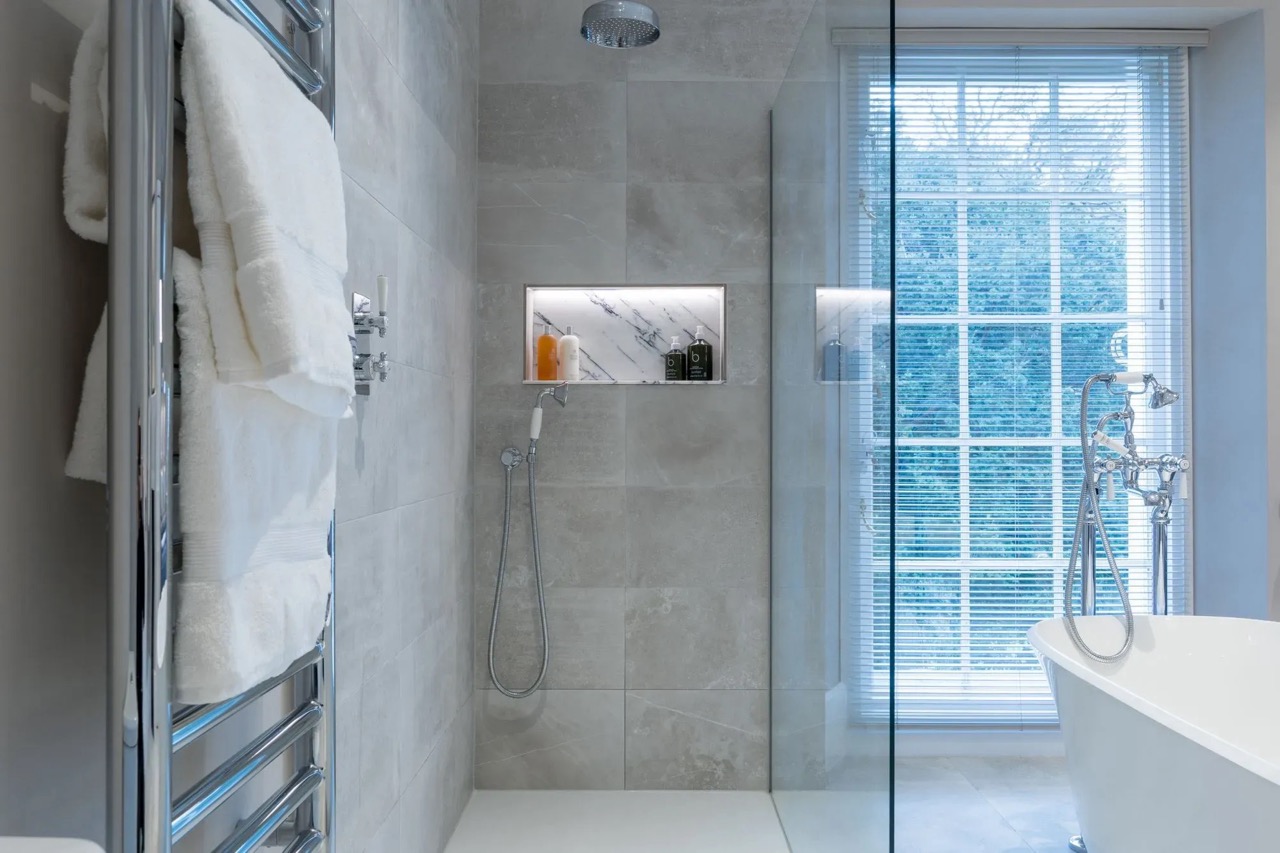
A wet room is another example of where good design matters more than a simple visual trend. It can create a beautifully open, accessible space, but only when falls, drainage, tanking and screen placement have been planned correctly. In some rooms, a low-profile tray provides the same clean effect with a more straightforward installation. It depends on the structure of the property and how the room will be used.
Choose materials that improve with use
Bathrooms are demanding environments. Steam, splashes, cleaning products and changing temperatures place every surface under pressure. Premium choices balance appearance with practical resilience.
Porcelain is a popular choice for floors and walls because it is hard-wearing, low maintenance and available in finishes that convincingly resemble natural stone, timber or concrete. Natural stone offers distinctive character, but it needs suitable sealing and ongoing care. It can be the right choice for a homeowner who values its variation and is prepared for the maintenance, but porcelain may be more practical for a busy family bathroom.
Furniture deserves the same scrutiny as tiles. Bespoke or handmade pieces can be designed around awkward alcoves, sloping ceilings and specific storage needs, creating a far more resolved result than off-the-shelf units. Consider where electric toothbrushes, skincare, towels, cleaning products and laundry will live. A bathroom with clear surfaces feels more luxurious because it is easier to keep that way.
When selecting brassware, look beyond the finish. The quality of the internal components, availability of spare parts and compatibility with the home’s water pressure all matter. Brushed finishes are often forgiving of water marks, while polished chrome remains a versatile, timeless option. Darker finishes can be striking, but they need to be selected with care so the room does not feel overly coordinated or date quickly.
Installation is where the investment is protected
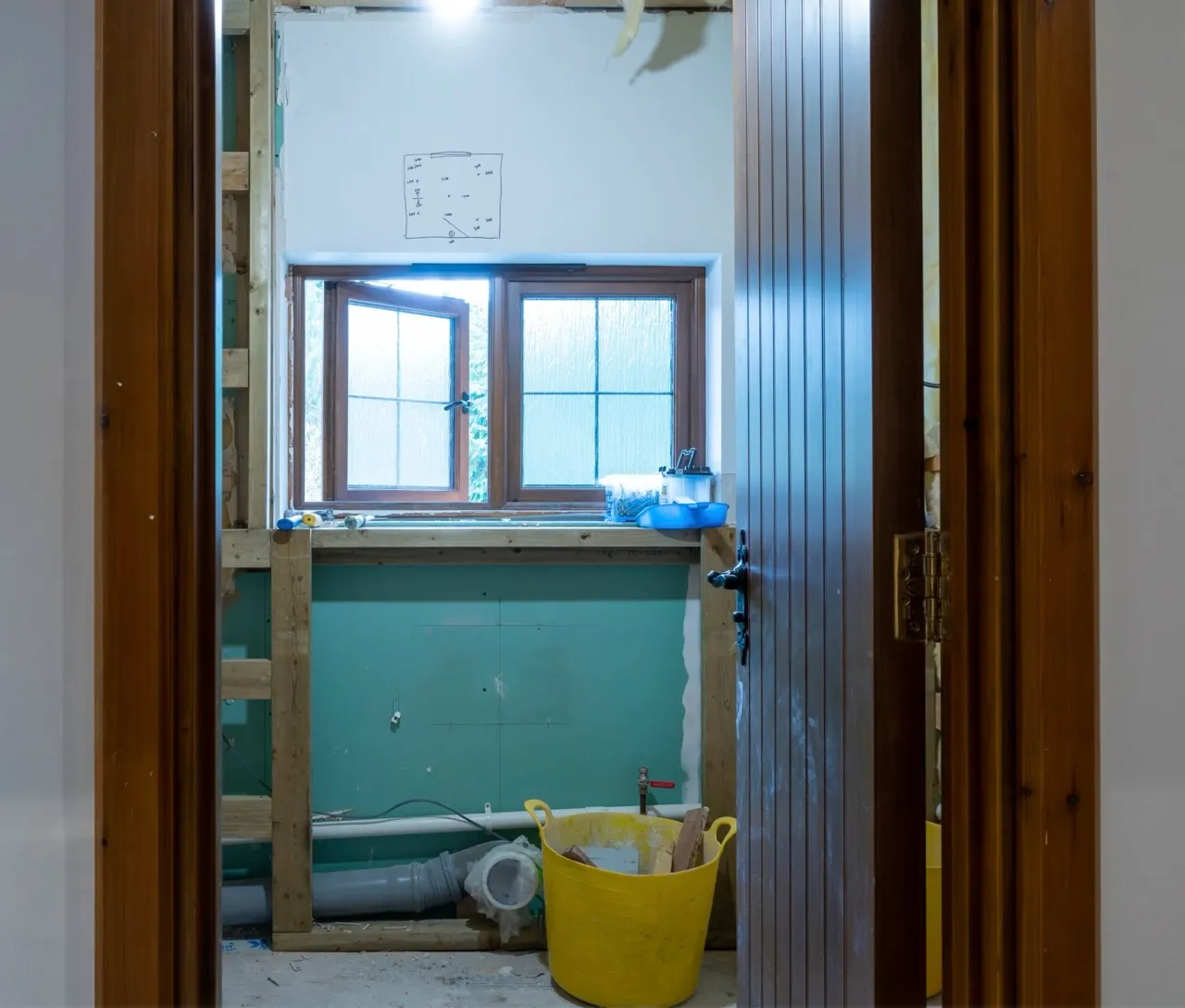
Even exceptional products cannot compensate for poor preparation. The lasting quality of a bathroom depends on what sits behind the tiles and beneath the floor as much as what is visible.
Professional installation begins with accurate surveys and a clear scope of work. It may involve upgrading pipework, improving ventilation, correcting walls and floors, or reviewing the electrical arrangement before the decorative work starts. Waterproofing in shower areas is particularly important. Proper tanking helps protect the fabric of the building from moisture ingress, reducing the risk of hidden damage later.
A well-managed project also benefits from coordinated trades. Plumbing, electrical work, plastering, tiling, decorating and fitting must happen in the right sequence. Rushing one stage to make up time usually affects the finish of the next. This is why an end-to-end service offers real reassurance: there is a single team responsible for bringing the design through to completion, rather than leaving the homeowner to coordinate separate suppliers and trades.
At Jeremy Colson Bathrooms, this approach is shaped by more than 25 years of experience and a trusted family-business ethos. It allows homeowners to make informed decisions with expert guidance, while keeping the project focused on the finished room rather than a collection of disconnected products.
Lighting, heating and ventilation should be planned early
These elements are often treated as technical details, yet they make a considerable difference to comfort. Layered lighting allows a bathroom to adapt throughout the day. Bright, well-positioned task lighting around the mirror supports shaving and make-up, while softer lighting creates a more restful evening atmosphere. Dimmable circuits, discreet downlights and illuminated cabinetry can all contribute without making the ceiling feel crowded.
Underfloor heating brings an immediate sense of comfort and frees the walls from the visual weight of a large radiator. It is especially appealing with tiled floors, though it should be specified according to the room build-up and heat requirements. A heated towel rail may still be useful for drying towels and providing supplementary warmth.
Ventilation is less glamorous but equally essential. A correctly sized extractor, positioned and controlled appropriately, helps manage humidity and protect finishes. In a premium bathroom, mirrors should not remain misted for long and painted surfaces should not be expected to withstand persistent condensation.
Spend where it changes the experience
A higher budget should not mean choosing the most expensive version of every item. It means allocating funds to the parts of the room that affect performance, longevity and everyday enjoyment. Waterproofing, skilled fitting, showering, storage, heating and well-made brassware are generally wise areas for investment.
Savings can often be made intelligently on elements that are easier to update later, such as certain accessories, decorative lighting or a secondary wall tile. A quieter tile choice paired with excellent lighting and cabinetry can look more refined than a room filled with costly statement finishes competing for attention.
The most successful schemes also allow for longevity. A timeless base does not have to be plain. It may combine warm stone tones, painted furniture, natural textures and a distinctive metal finish, but in a way that still feels right when tastes shift. Select a style that suits the architecture of the home and the people living in it, rather than chasing a showroom trend.
A premium bathroom should make everyday routines easier, from the first shower of the morning to the last towel folded away at night. Begin with how you want the room to work, then let quality design and craftsmanship give that vision a lasting form.

.webp)