
Bathroom Design and Installation That Lasts
Friday, July 3, 2026
By Holly Colson
.png)
A beautiful bathroom rarely comes down to one clever tile choice or a statement bath. More often, it is the result of good decisions made early - the layout that works properly, the storage that suits daily life, the lighting that flatters, and the installation that is done with care. That is why bathroom design and installation should never be treated as separate jobs. When both are planned together from the outset, the finished room feels better, functions better and lasts longer.
For homeowners investing in a premium renovation, that joined-up approach matters. A bathroom may be one of the smaller rooms in the home, but it carries a great deal of daily use. It has to perform under pressure, cope with moisture and heat, and still feel calm, comfortable and considered. Getting there takes more than taste. It takes experience, precision and a clear understanding of how the room will be used.
Why bathroom design and installation belong together
It is easy to underestimate how often design choices affect practical installation, and vice versa. A floating vanity may look elegant, for example, but the wall construction, plumbing positions and waste routes all need to support it. Large-format porcelain can create a clean, luxurious finish, but the substrate preparation has to be exact. Underfloor heating adds comfort, though floor build-up and door thresholds must be addressed before work begins.
When the design and installation process are handled as one continuous project, these details are resolved early rather than becoming costly surprises later. It also reduces the risk of compromise. Too many bathrooms begin with a strong visual idea, only for parts of it to be watered down once technical limitations appear on site.
A well-managed project avoids that disconnect. It allows the design to be shaped around the realities of the property while still aiming for a refined result. In period homes, that may mean working carefully with uneven walls, existing pipe runs or lower ceiling heights. In newer homes, it may involve making a standard developer layout feel more bespoke and spacious.
What good bathroom design really considers
The most successful bathrooms are not always the most elaborate. They are the ones that respond well to the home and the people living in it. That starts with the layout.
Layout comes before finishes
Homeowners are often drawn first to colours, brassware and tiles, which is understandable. Yet layout is what decides whether a bathroom is merely attractive or genuinely comfortable to use. The placement of a shower screen, the clearance around a basin, the swing of a door, and the line of sight when you enter the room all shape the experience more than any surface finish.
In a family bathroom, the brief may be generous storage, durable materials and enough room for busy mornings. [In an ensuite](https://www.jeremycolson.co.uk/bathroom-styles/ensuite-bathrooms), the emphasis may shift towards calm, simplicity and a more tailored hotel-like feel. A guest cloakroom can afford to be bolder in tone because it is used differently. Good design responds to these distinctions rather than applying the same formula to every space.
Storage should feel built in, not added on
One of the clearest differences between an average bathroom and a well-designed one is how it handles clutter. Everyday essentials need a proper home. If they do not have one, even the finest bathroom will feel untidy within weeks.
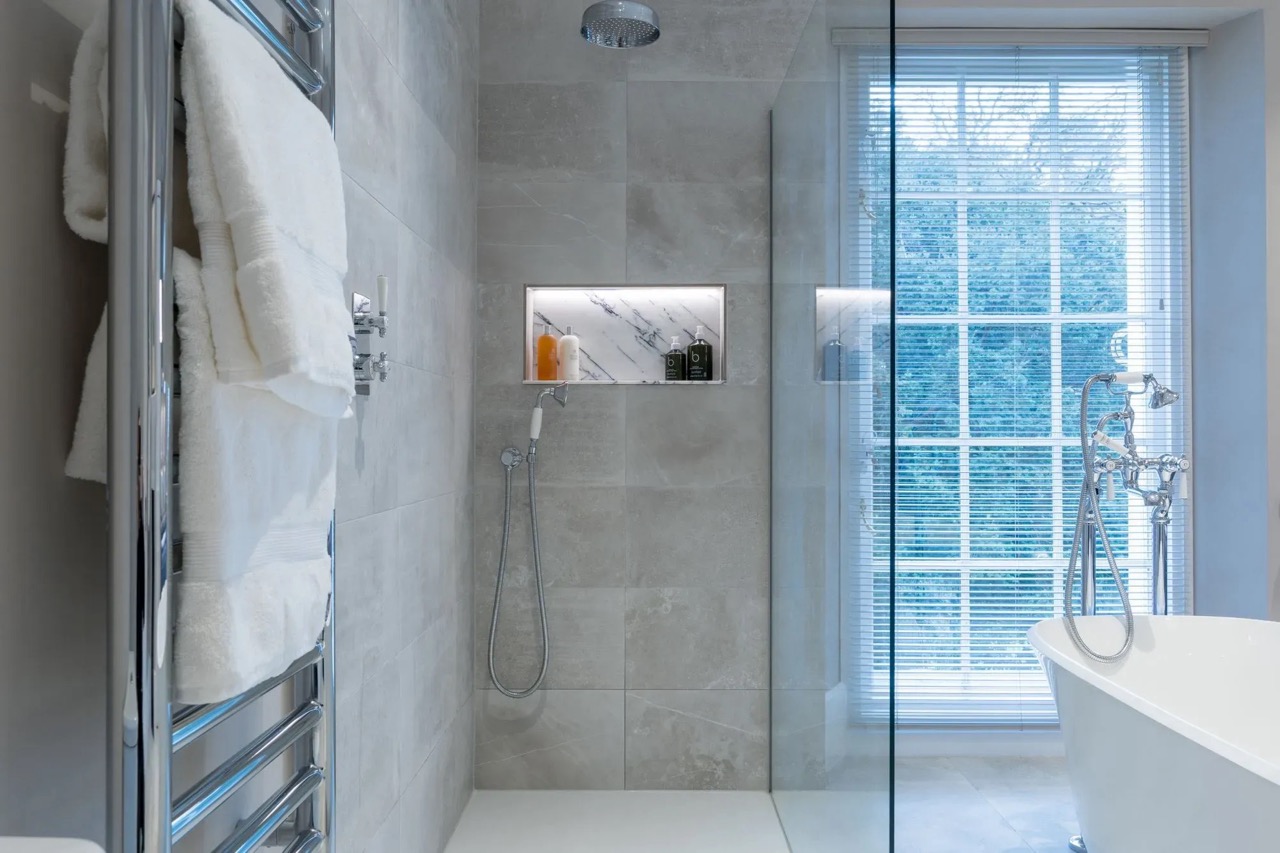
This is where fitted furniture, recessed niches, mirrored cabinets and thoughtful vanity design earn their place. The best storage does not dominate the room. It sits naturally within the design, keeping surfaces clear and making daily routines easier. Handmade or bespoke furniture can be especially valuable in awkward rooms, where standard sizes waste space or leave the layout feeling unresolved.
Light, warmth and comfort matter more than trends
Bathrooms are often judged visually, but they are lived in physically. Lighting should work at different times of day. Heating should be reliable and evenly distributed. Ventilation should protect the room from condensation without creating a cold, clinical feel.
These features are not secondary. They are central to whether the room feels truly comfortable. [Underfloor heating](https://www.jeremycolson.co.uk/bathroom-articles/lighting-that-transforms-a-new-bathroom) is a popular choice for good reason, but it is not always the answer in every property. Sometimes a combination of floor heating and a well-positioned towel radiator is the better balance. It depends on the room size, insulation and how the space is used.
The installation stage is where quality shows
Beautiful products cannot rescue poor workmanship. This is the stage where planning, product knowledge and technical skill come together, and where shortcuts are most obvious once the room is in use.
Preparation is not the glamorous part, but it is the crucial part
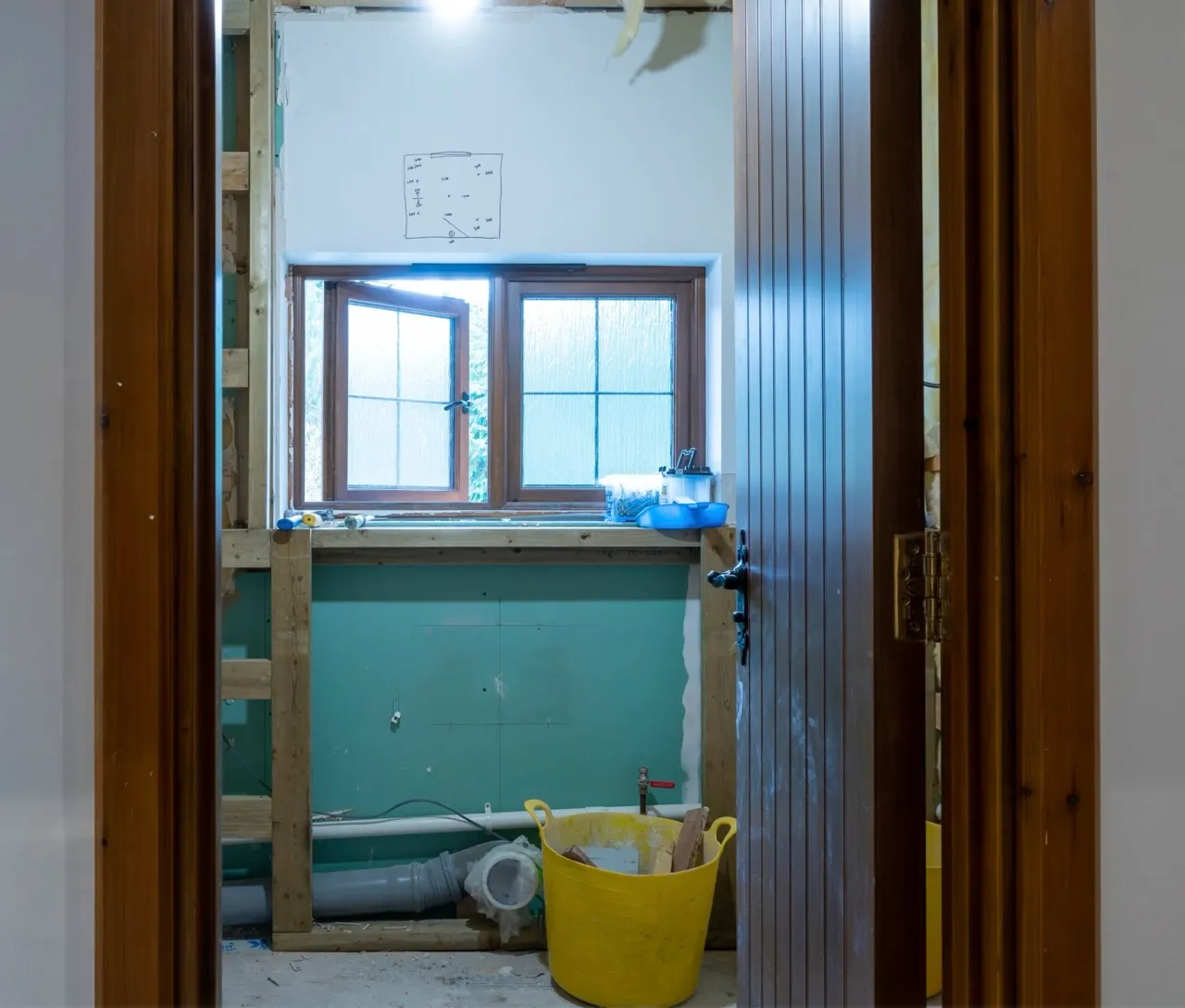
Much of the value in premium bathroom installation lies in work the homeowner will barely see once the room is complete. Floors need levelling, walls may require strengthening, waterproofing must be thorough, and services need to be correctly set out before any finishing materials are fitted.
This groundwork protects the long-term performance of the room. Without it, tiled surfaces can crack, drainage can run poorly, and fittings may loosen or age badly. In [wet rooms](https://www.jeremycolson.co.uk/bathroom-styles/shower-rooms) especially, precise falls and tanking are essential. There is little room for guesswork.
Product selection affects installation as much as style
Not all products are equal in how they fit, wear and hold up over time. Some deliver a sharp appearance in a showroom but prove frustrating on site or difficult to maintain. Others justify their price through better build quality, stronger warranties and more dependable performance.
That is why guided product selection matters. Homeowners choosing a premium renovation are not only buying a look. They are investing in components that should continue to perform well for years. Taps should feel solid. Drawers should close properly. Shower fittings should be dependable. Finishes should age gracefully rather than dating or deteriorating too quickly.
Working with trusted suppliers and proven brands also reduces risk during installation. Lead times are clearer, replacement parts are easier to obtain, and quality is more consistent.
Bathroom design and installation in different types of home
No two properties ask for exactly the same approach, and this is often where experience makes a visible difference.
In listed or period homes, there is usually a balance to strike between modern comfort and respect for the character of the building. Walls may be less straightforward, levels may vary, and certain structural changes may not be desirable. A thoughtful scheme works with those constraints rather than fighting them.
In larger family homes, the challenge is often about consistency and practicality across several bathrooms with different users. The principal ensuite might call for a more luxurious feel, while children’s bathrooms need resilient finishes and sensible storage. Guest spaces can then bring a little more personality.
Smaller ensuites and compact bathrooms benefit most from disciplined design. Every centimetre matters. Wall-hung fittings, recessed storage and carefully chosen glazing can help a tight room feel calmer and more open, but only if the installation supports those choices properly.
What homeowners should expect from the process
A premium bathroom project should feel clear, not chaotic. That means having a realistic understanding of what happens before work starts, while installation is underway, and as the final details are completed.
At the beginning, the focus should be on how the room needs to function, what style feels right for the property, and where the investment will make the biggest difference. This is the stage for honest conversations about budget, priorities and practical constraints.
Once the design is agreed, good project planning keeps momentum and standards intact. Materials need to be available at the right time. Trades need to be sequenced properly. Decisions about finishes, lighting and fittings should be settled before the project reaches site where possible. That is one reason many homeowners prefer a complete design-and-install service. It removes the handover gaps that so often lead to delays or mixed responsibility.
For clients across Surrey and the wider South East, working with an established specialist such as Jeremy Colson Bathrooms offers that continuity - from the first design conversation through to the final installation details. For many homeowners, that reassurance is every bit as valuable as the finished room itself.
A better result comes from asking better questions
If you are planning a renovation, the right starting point is not simply which tile or tap you prefer. It is asking how you want the room to feel, what frustrates you about the current space, and what would make everyday use easier. Those answers shape a bathroom that is not only stylish on completion day, but still satisfying years later.
The best bathroom design and installation projects are thoughtful rather than rushed, tailored rather than generic, and built around the reality of how people live. When that care is there from the start, the result is more than a visual upgrade. It becomes a room that earns its place in the home, every single day.

.webp)